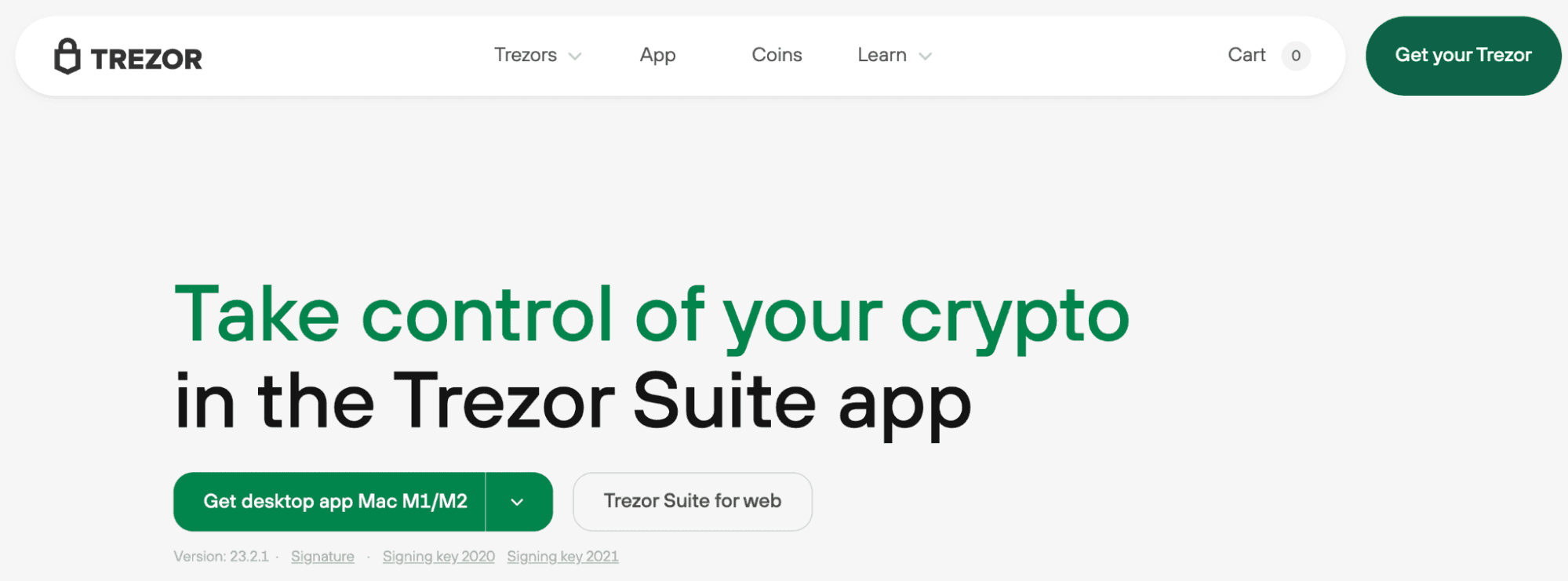
Welcome to Trezor.io/Start
Welcome to the beginning of your secure crypto journey. If you recently purchased a Trezor Model One or Trezor Model T, the safest and correct place to start is Trezor.io/start. This guide walks you through the entire onboarding process—explaining everything in plain language, step-by-step—so that you can confidently set up your device and begin protecting your digital assets the right way.
Whether you’re a complete beginner or switching from another wallet, this guide ensures you start smoothly and securely.
What Is Trezor.io/Start?
Trezor.io/start is the official setup and onboarding page for all Trezor hardware wallets. It provides everything necessary to initialize your device safely, including:
Download links for Trezor Suite
Setup instructions tailored to your device
Firmware installation steps
Guidance for creating and storing your recovery seed
Tutorials for sending, receiving, and managing cryptocurrency
Helpful security best practices
This is the only website you should use to set up your Trezor device. Avoid third-party websites or unofficial tools—they may expose you to security risks.
Why Choose Trezor for Crypto Security?
Cryptocurrency gives you control over your own money. But with that control comes the responsibility to protect your private keys. Leaving your crypto on exchanges or software wallets exposes you to risks like hacking, platform failures, and phishing.
A Trezor hardware wallet solves these risks by:
Storing your private keys offline
Requiring physical confirmation for every transaction
Protecting your keys even if your computer is infected
Allowing you to verify all actions directly on the device screen
Supporting secure access to Web3 and decentralized apps
Trezor was the world’s first hardware wallet, launched in 2014, and remains one of the most trusted choices for secure crypto self-custody.
Unboxing Your Trezor Device
When your device arrives, take a moment to check the box carefully. Trezor devices come packaged securely to prevent tampering. Inside, you should find:
Your Trezor hardware wallet (Model One or Model T)
USB or USB-C cable
Recovery seed cards
Instruction booklet
Model T only: magnetic dock
Important:
Trezor never ships a device with a pre-generated recovery seed.
If your box includes pre-written recovery words or your device appears initialized, stop immediately—this indicates tampering.
Your recovery seed must only be generated on your Trezor device during setup.
Step 1: Go to Trezor.io/Start
Open your browser and go to Trezor.io/start. Make sure the URL is spelled correctly and begins with https://. Phishing websites are common in crypto, so always double-check the address.
On the page, choose your Trezor model to begin the setup process.
Step 2: Download and Install Trezor Suite
Next, download Trezor Suite, the official management application for your Trezor wallet. Trezor Suite allows you to:
Buy, send, and receive crypto
View balances across multiple accounts
Manage device settings
Install firmware
Access secure Web3 integrations
Trezor Suite is available for:
Windows
macOS
Linux
A browser version is also available, but Trezor strongly recommends the desktop app for better security.
Install the software and open it to begin.
Step 3: Connect Your Trezor Device
Use the included cable to connect your Trezor to your computer. Trezor Suite will automatically detect the device and begin the setup flow. If this is your first time using the wallet, you’ll be guided through:
Firmware installation
Device naming
PIN creation
Recovery seed generation
Follow the instructions carefully, and make sure your device remains connected throughout the installation.
Step 4: Install Firmware (If Required)
Most new Trezor devices ship without firmware installed for security reasons. Trezor Suite will prompt you to install the latest firmware. This step ensures:
You’re using genuine Trezor software
Your device has the latest security updates
Your wallet is ready to generate your recovery seed
Install the firmware through Trezor Suite by confirming the installation on your Trezor screen.
Step 5: Create and Confirm Your PIN
Next, you’ll create a PIN code for your Trezor. This PIN protects your device if someone tries to access it physically.
Recommendations for choosing a strong PIN:
Avoid simple patterns
Use all available digits
Memorize it or store it privately
Do not share it with anyone
Your PIN is required every time you plug in your device.
Step 6: Generate Your Recovery Seed
Now comes the most important part of the setup: your recovery seed (also called a recovery phrase). This is typically a 12, 18, or 24-word list generated offline directly on your Trezor device.
This recovery seed is your master key.
If your Trezor is lost, stolen, reset, or damaged, your recovery seed is the only way to restore your crypto.
What You Must Do
Write down the words on the provided recovery cards
Write them in the exact order
Store your seed in a safe place
Consider making a second copy and storing it separately
What You Must Never Do
Do not take photos of your recovery seed
Do not save it in cloud storage
Do not type it into your phone or computer
Do not share your seed with anyone—even Trezor support
If anyone has your recovery seed, they have access to your entire wallet.
Step 7: Add Accounts in Trezor Suite
Now that your Trezor is initialized, you can add cryptocurrency accounts. Each crypto type is stored in its own account, allowing you to track balances and transactions.
To add an account:
Open Trezor Suite
Select Add Account
Choose the cryptocurrency
Confirm on your device
Trezor Suite supports numerous cryptocurrencies, including Bitcoin, Ethereum, Litecoin, Cardano, and many others. For Ethereum-based tokens, Trezor supports ERC-20 assets as well.
Step 8: Receive Crypto to Your Trezor
You can now transfer crypto to your Trezor for safekeeping.
To receive crypto:
Click Receive in Trezor Suite
Select the account
Connect and unlock your device
Verify the receiving address on your Trezor screen
Copy or scan the address
Always confirm the receiving address on the Trezor display, not just your computer. Malware cannot alter the address displayed on your Trezor device, making this a crucial security step.
Step 9: Sending Crypto Securely
Sending crypto from your Trezor is just as simple:
Click Send
Enter the recipient’s address and amount
Review the transaction details
Confirm the transaction on your Trezor device
Transactions are only authorized if you physically approve them on your Trezor. Your private keys stay securely offline, never exposed to the internet.
Exploring Web3 and NFTs with Trezor
Trezor isn’t just a storage device—it also gives you secure access to Web3 features, such as:
NFT marketplaces
DeFi platforms
Decentralized exchanges
Staking services
Crypto games
Many Web3 apps integrate with Trezor through third-party services like MetaMask, and your private keys remain safely inside your device even when connecting to dApps.
Security Best Practices for Long-Term Protection
To keep your Trezor wallet secure, follow these essential guidelines:
1. Protect your recovery seed above all else
Never share it with anyone.
2. Keep your firmware updated
Install updates only through Trezor Suite.
3. Avoid phishing websites
Always double-check URLs when interacting online.
4. Beware of screen-sharing scams
Never show your Trezor Suite screen to strangers.
5. Lock your physical device safely
Treat it like a valuable financial tool.
Troubleshooting Tips
Device not recognized?
Try a different cable or USB port.
Transaction not showing?
Refresh the blockchain connection or restart Suite.
Forgot your PIN?
Reset the device and recover using your recovery seed.
Address mismatch?
Only trust the address shown on your Trezor display.
Your Secure Crypto Journey Begins Here
By starting at Trezor.io/start, you ensure that your device is set up correctly, your recovery seed is created safely, and your crypto remains fully protected.
Trezor gives you full ownership and independence in the crypto world—something exchanges and online wallets cannot offer. With your hardware wallet properly initialized, you’re now ready to explore, invest, store, and manage your digital assets with confidence.